

Reasi district is the spiritual capital of the Jammu region. Most pilgrims come only for Vaishno Devi and leave. This 3-day plan lets you do the yatra properly — and still catch the Reasi that the crowds miss.
Before You Travel: RFID Registration (2026 — Mandatory)
The old paper yatra parchi is gone. Every pilgrim now needs an RFID Yatra Access Card from the Shrine Board — without it you are turned back at Banganga. No exceptions.
- Register free at maavaishnodevi.org before you leave home
- Or collect in person at Katra bus stand / railway station YRC counter (open 24×7)
- Carry Aadhaar, Voter Card, Passport, or Driving Licence
- Key rule: Cross Banganga checkpoint within 6 hours of card issue. Full yatra must be done within 24 hours. Return the card at exit or pay ₹100 penalty.
How to Reach Katra
- By Train: SVDK Katra station now has direct trains from Delhi, Mumbai, Amritsar. Vande Bharat and Shri Shakti Express are the popular options — book 60 days ahead during Navratri.
- From Jammu: 50 km, about 1.5 hours by road. Frequent JKRTC buses and shared taxis.
- From Udhampur: Just 35 km. If you’re coming via Udhampur or stopping at Patnitop on the way, Katra is 45 minutes further.
- By Air: Fly into Jammu (IXJ), then taxi to Katra.
Day 1 — Arrive Katra, Evening at Banganga
Reach Katra by afternoon. Collect your RFID card, walk the town, and head to Banganga in the evening — 2 km from the bus stand.
Banganga is where the yatra officially begins. Legend says Mata Vaishno Devi shot an arrow into the ground here and a spring appeared. Pilgrims wash their feet at the ghat before starting the trek. The evening atmosphere — chanting, flowing water, pilgrims setting off for the night — is worth experiencing on its own.
Rest early if you’re trekking tomorrow on foot.
Day 2 — The Vaishno Devi Yatra (Full Day)
Budget a full day. The trek is 14 km one way and takes 8–10 hours return on foot.
Route options from Banganga:
- Old Route via Charan Paduka: Traditional pilgrimage path, 14 km to Bhawan
- Tarakote Marg: Alternate route, steeper — most pilgrims use it to descend
Don’t skip Ardhkuwari. Halfway up the trek, this sacred cave is where Mata is said to have meditated for nine months. The narrow Garbh Joon passage — a natural tunnel you crawl through — is one of the most memorable experiences on the entire yatra. Pick up your Gufha Darshan token at the Ardhkuwari complex counter while going up; darshan on the way back.
Bhawan sits at 5,300 feet on the Trikuta hills. The darshan here is of three natural rock Pindis — Maha Kali, Maha Lakshmi, Maha Saraswati. No idol, just the living rock.
After Bhawan, go to Bhairo Baba Mandir — 2.5 km further up, reachable by ropeway (8 minutes). The yatra is traditionally considered incomplete without this stop.
Transport options on the trek:
- Ponies and palkis from Banganga at fixed Shrine Board rates
- Battery cars between Katra and Ardhkuwari (Inderprastha) — book online or at counter
- Helicopter: Katra → Sanjichhat (2.5 km from Bhawan), 5–8 minutes, ₹2,210/person one way (2026). Book only at maavaishnodevi.org — no agents
Day 3 — Shiv Khori, Bhimgarh Fort & Siarh Baba
Start early. Three stops, all in one loop from Katra.
Shiv Khori Cave (Morning)
Shiv Khori is 80 km from Katra — 2.5 to 3 hours by road via the Reasi-Rajouri route. Shared bus from Katra: ~₹250/person return. Private cab for a group: ₹3,000–₹3,800 round trip.
Base camp is Ransoo village. From there, a 3–4 km walk (or pony) takes you to the cave entrance.
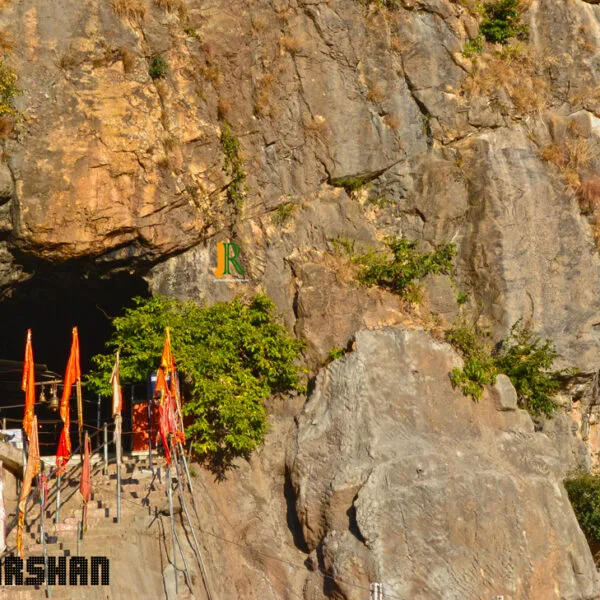
The cave is 200 metres long, barely a metre wide — you walk single file. The ceiling drips constantly with limestone water. At the far end is a self-manifested Shiv Lingam, roughly 4 feet tall, continuously bathed by the dripping rock above. It is believed to be anant — without end. Inside you’ll also see natural formations resembling Nandi, Ganesha, and Shiva’s family.
The exit is a separate tunnel. Plan 2 hours at this stop.
Bhimgarh Fort (Afternoon)
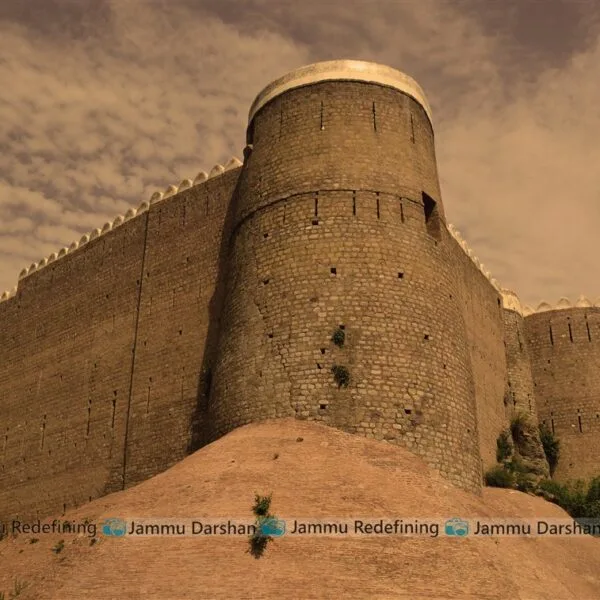
On the drive back, stop at Bhimgarh Fort in Reasi town. This Dogra-era hilltop fortress overlooks the Chenab valley. Partially ruined, no tourist crowds — just old stone, wide views, and a genuine sense of the history of this region. One hour here is enough.
Siarh Baba Waterfall Shrine (Late Afternoon)
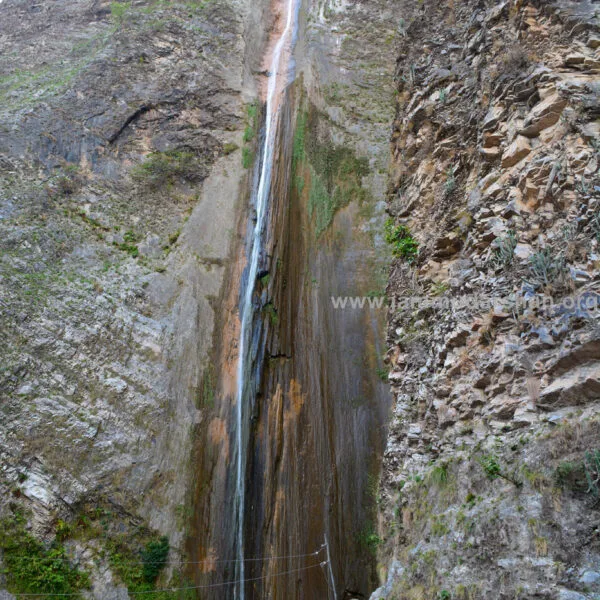
Six kilometres from Reasi town, on the banks of the Chenab, is Siarh Baba — a temple shrine with a waterfall beside it. Locals hold it in quiet reverence. Not famous, not crowded. The sound of the Chenab below and the waterfall beside the shrine makes it one of the most peaceful spots in all of Reasi. Have chai at the dhaba near the ghat. Spend 45 minutes.
Return to Katra by evening.
Quick Reference
| Base | Katra (all 3 nights) |
| Best season | Oct–March. Avoid Navratri if you want fewer crowds. |
| Navratri dates 2026 | Chaitra: Apr 9–17 · Sharad: Oct 2–11 |
| Trek distance | 14 km one way to Bhawan |
| Helicopter fare | ₹2,210/person one way (Katra → Sanjichhat) |
| Shiv Khori distance | 80 km from Katra, ~3 hrs by road |
| Day 3 tip | Hire one full-day taxi from Katra for all three stops |
Also in Reasi
- Baba Dhansar — quieter cave shrine, 17 km from Reasi town, very few tourists
- Nau Pindian — 8 km from Katra, nine naturally formed Pindis of Maha Shakti, quick 30-min stop
Coming From Udhampur?
Udhampur to Katra is 35 km. Consider breaking your journey with a stop at Krimchi Temples or Sudh Mahadev on the way — both are on the Jammu-Udhampur-Katra corridor and worth 1–2 hours each. More on the Udhampur district guide.
FAQs
Is RFID registration really mandatory?
Yes. You cannot cross Banganga without it. Register free at maavaishnodevi.org before travelling.
Can I combine Vaishno Devi and Shiv Khori in one trip?
Very common. Stay in Katra, do the yatra on Day 2, Shiv Khori as a day trip on Day 3.
Is the Vaishno Devi trek difficult?
Manageable for most people — paved route with handrails. Ponies, palkis, and battery vehicles available throughout. Trek shoes are a must, no sandals.
Is Shiv Khori cave claustrophobic?
The passage is narrow — one person wide. If you’re uncomfortable in tight spaces, skip the cave interior. The shrine complex outside is still worth visiting.
Reasi gives you more than darshan. It gives you the full scale of what this region holds — sacred, historic, and quietly beautiful, all within one district.
— Jammu Darshan
Also read on Jammu Darshan:
Vaishno Devi · Shiv Khori · Bhimgarh Fort · Siarh Baba · Baba Dhansar · Katra
0 Thoughts on Reasi in 3 Days: Vaishno Devi, Shiv Khori & Hidden Gems